Traverse Systems for Wind Tunnel
Large central image for wind tunnel project PNG Overlay Blinking

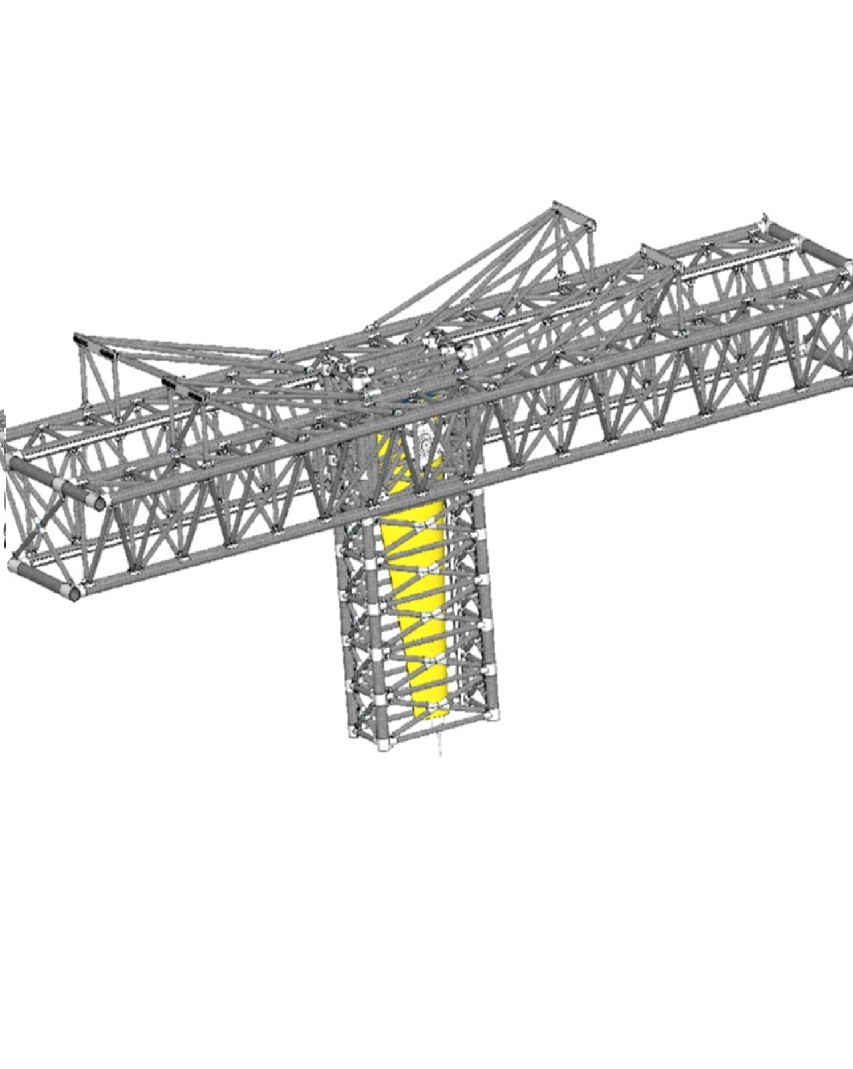
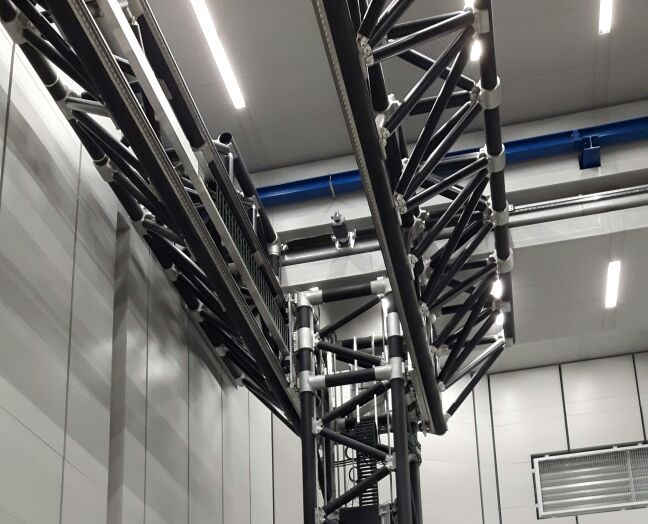
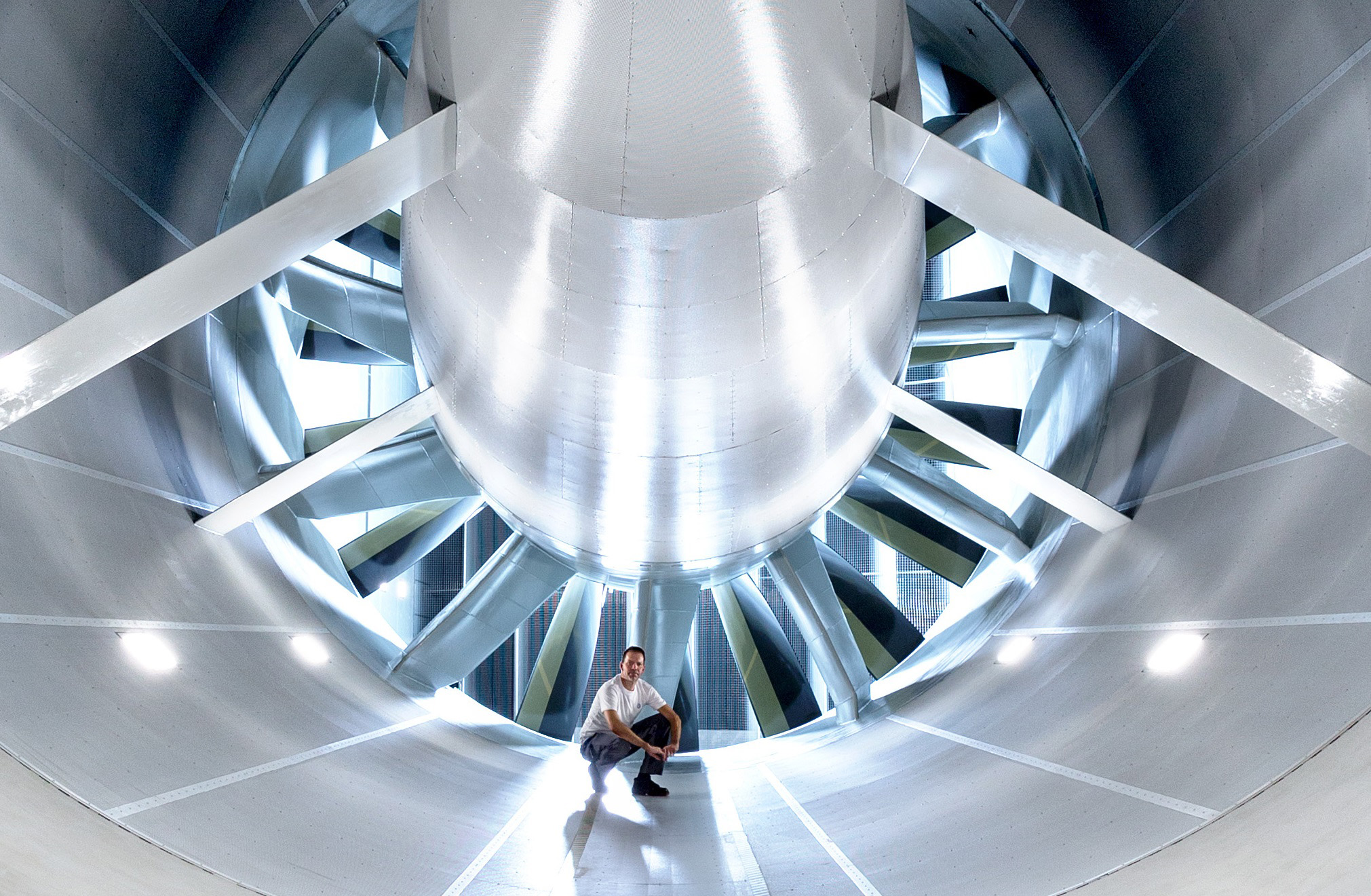
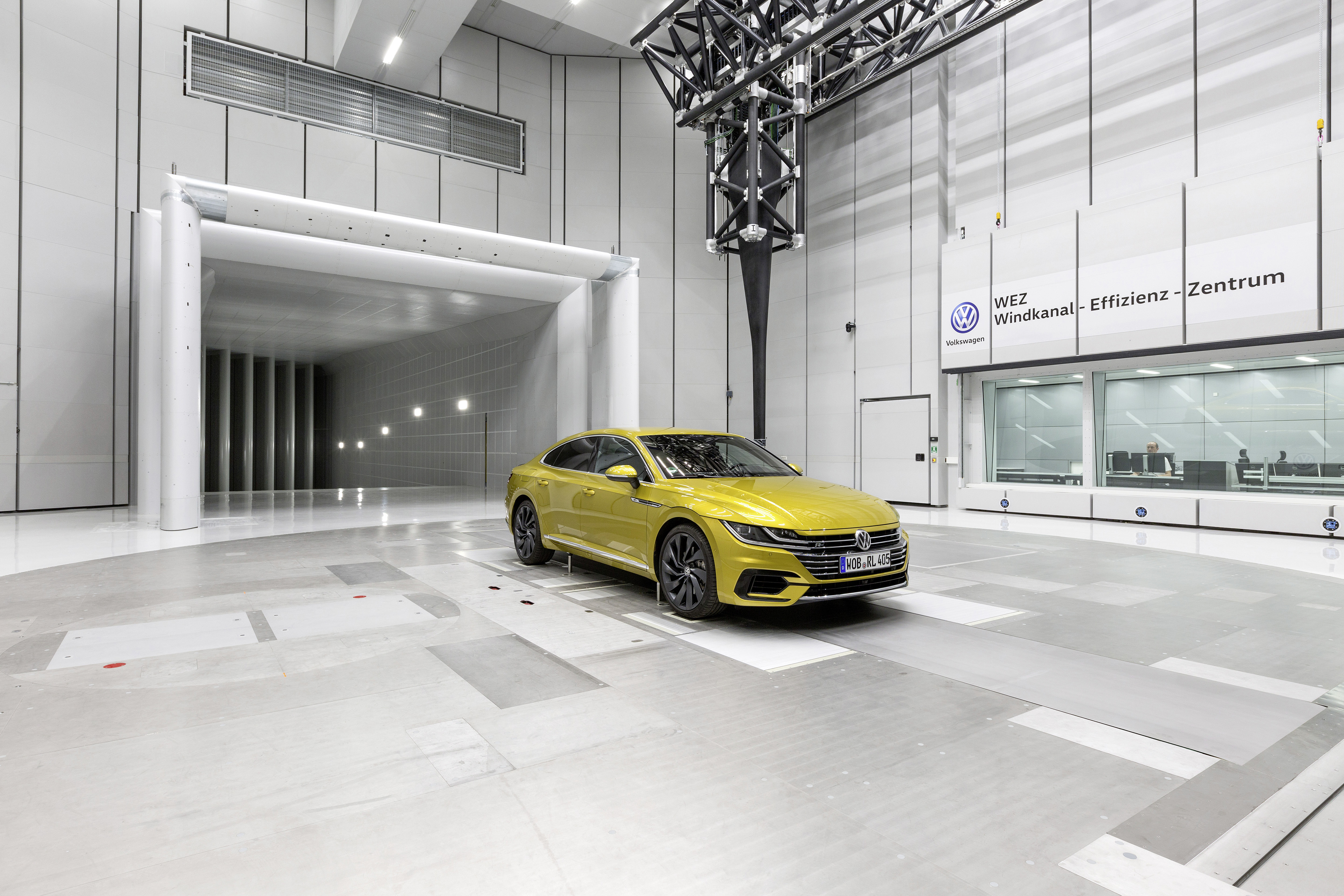
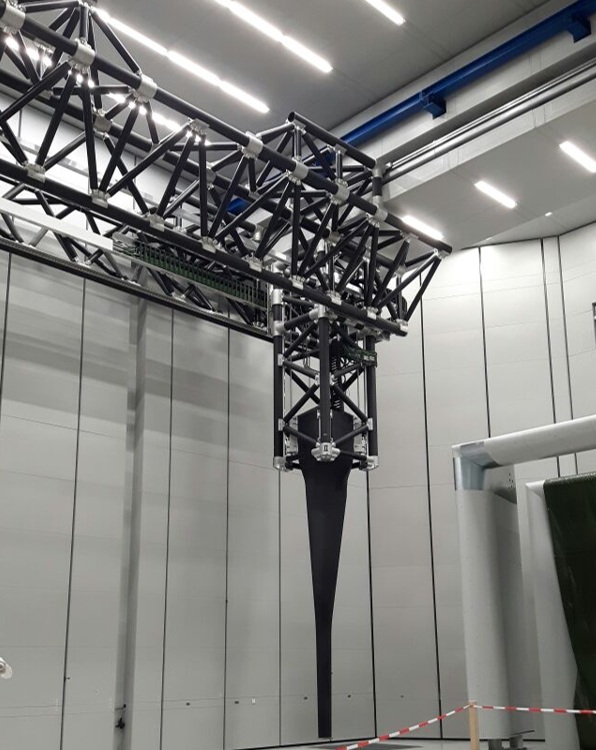
Anker-Tec developed, manufactured, and installed the traverse system that moves the sensors inside Volkswagen’s wind tunnel in Wolfsburg — a structure made entirely of carbon fiber.
Base Milling Image 1 Foldable2 Blinking Overlay
Base Milling Image 2
Base Milling Image 3

Foldable Pinole

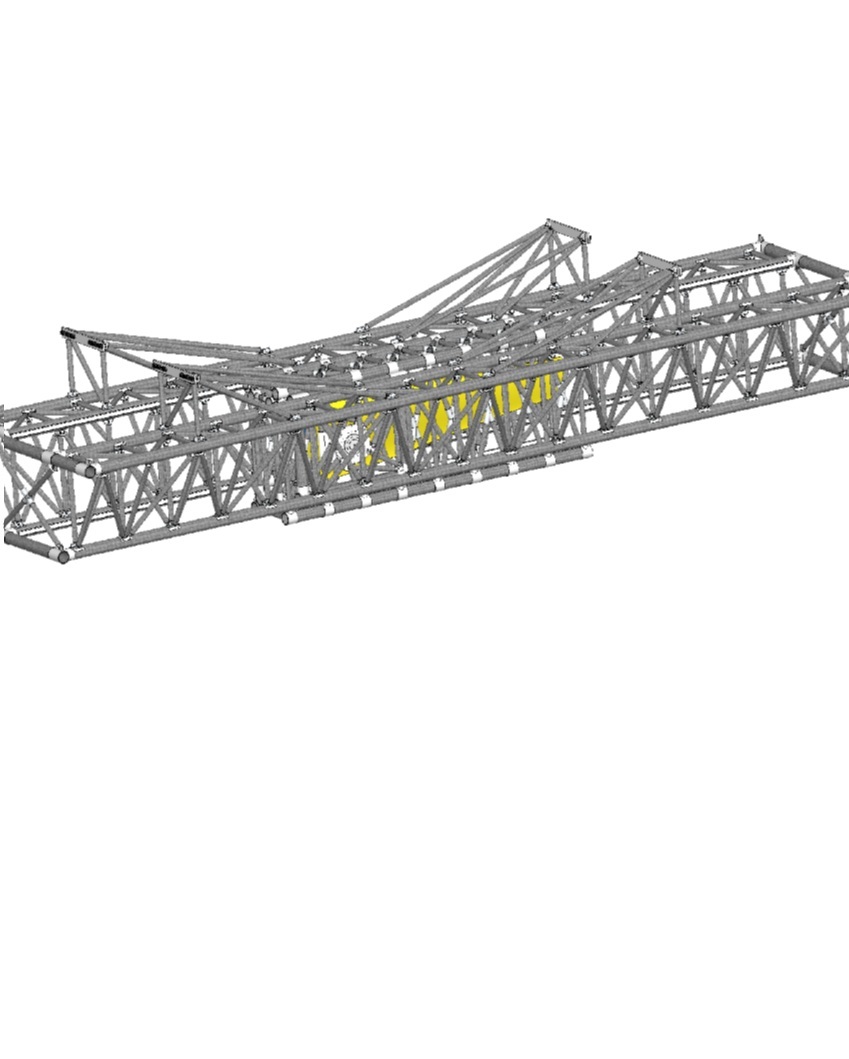
A unique feature of the traverse system designed, manufactured, and installed by Anker-Tec in Wolfsburg is its foldable design. When not in use, the system retracts neatly to the top, significantly reducing interference in the wind tunnel when its operation isn't required

Volkswagen’s Wind Tunnel Specifications:

40 m/min m/s

Traverse speed Vmax

0m/s²

Accelaration a max

0,1mm

Repeated accuracy σR

1,77mm

bending on tip of mandrel (250Km/h)

0,78mm

bending on tip of mandrel (160Km/h)

7,9Tons

Weight

Key advantages of carbon fiber

Weight

Weight advantage

Advantage: Weight

CFRP Structure: Aprox 8 Tons

Steel Structure: Aprox 50 Tons

Advantage: Reduced Weight

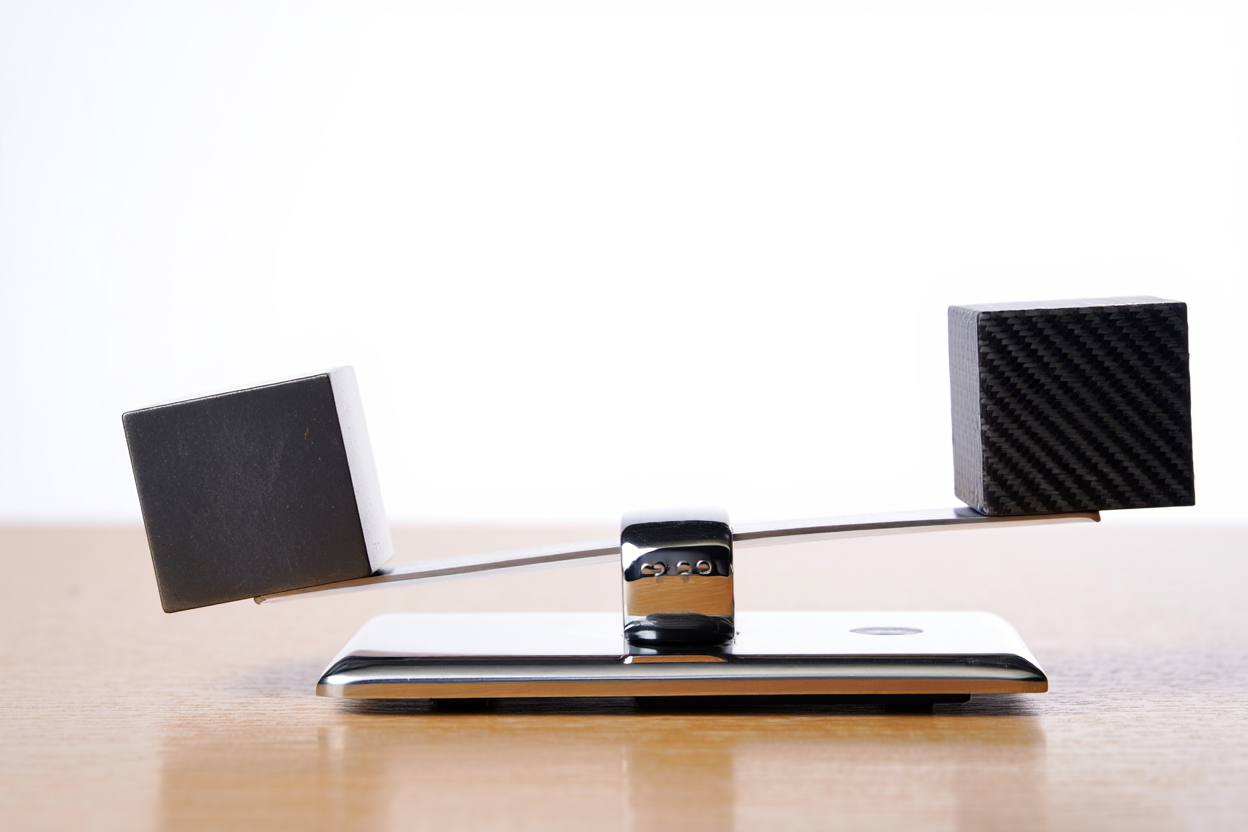
Carbon fiber (CFRP) offers a drastic weight reduction compared to steel structures. A CFRP structure can weigh approximately 8 tons, while a comparable steel structure can reach 50 tons. This weight difference not only facilitates transportation and installation, but also reduces loads on foundations, load transmission to the structure, and system power requirements.

Noise

Dynamics advantage

Advantage: Transparent

Advantage: Noise transparent

The truss structure, built with carbon fiber tubes, does not pose a barrier to sound. This significantly enhances the acoustic properties, allowing for improved sound measurements compared to standard steel installations.

Less Vibrations

Vibration advantage

Advantage: Less Vibrations

Damping: 20x Faster than steel

Effects: More abrupt positioning of components in highly dynamic applications

Advantage: Less Vibrations

Carbon fiber exhibits superior vibration damping properties, being up to 20 times faster than steel in this regard. This translates into more abrupt and precise positioning of components in highly dynamic applications, improving stability and work quality, and reducing machinery wear. This also means higher process speed and suitable natural frequencies, such as 11 Hz in the case of VW.

Dynamics

Dynamics advantage

Speed: Up to 150m/min

Acceleration: Up to 2G (20m/s²)

Jerk: Up to 100m/s³

Advantage: Dynamics

The combination of lightweight design, astonishing accelerations, and the precision allowed by carbon fiber construction achieves process speeds superior to those typically found in this sector. This can reduce the total process time by more than half

Consumption

Consumption advantage

Weight: 8x Less than Steel

Consumption: 8x Less than Steel

Time savings: Less than half of the Time

Advantage: Less energetic Consumtion

The energy consumption in wind tunnels is significantly reduced, not only because the positioning machine itself, being much lighter (up to eight times less due to its reduced weight), consumes considerably less power. Furthermore, by cutting the necessary measurement time by more than half, the operating time for the large, high-consumption fan (whose consumption is measured in gigawatts/gigawatt-hours) is also reduced by more than half.

``` s ```